

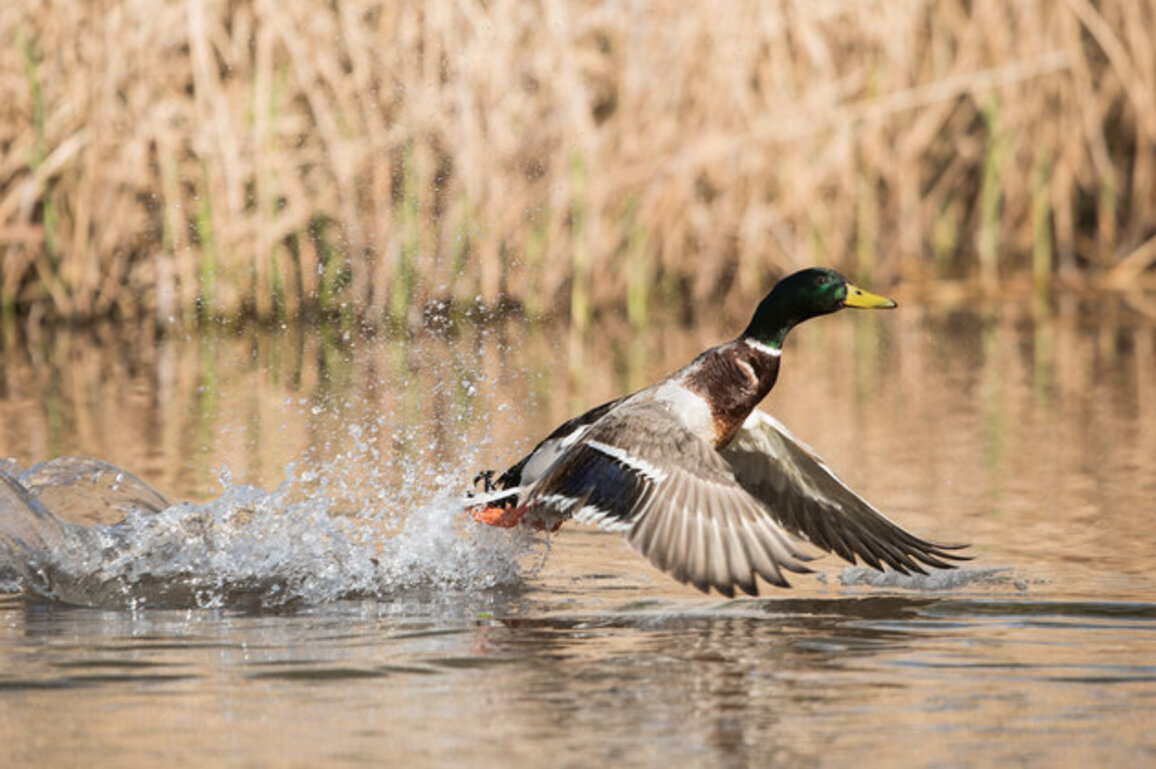
Farmers, conservationists, landowners and hunters in the Mississippi Alluvial Valley are addressing a decline in waterfowl numbers in the region.
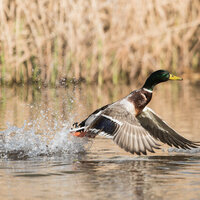
The MAV is known to have the highest concentration of waterfowl on the continent – but experts say drought, farming efficiencies and economic issues for rice farmers have resulted in lower numbers.
Ryan DuLaney, Lower and Middle Mississippi River representative with the Theodore Roosevelt Conservation Partnership, said farmers have to choose between making a profit or maintaining the waterfowl habitat.
"And when we see declines in waterfowl, we see declines in hunter participation in these areas," DuLaney. "We see declines in revenue streams in these areas. That, combined with an ag economy that is doing less than stellar, creates a significant economic situation in rural America."
He said they hope to at least maintain the current quality of waterfowl habitats. DuLaney said they are hopeful the Farm Bill, now being debated in Congress, will include conservation programs to help farmers preserve habitat.
The MAV encompasses parts of Mississippi, Arkansas, Tennessee and Louisiana. Bill Janous converted his family farm into the Janous Farms Hunting Club in Mississippi.
He said warmer temperatures in fall and winter months have affected the bird’s migration. He added that everyone will need to work together to address all the issues causing the problem.
"Number one, if we have the populations that we used to have – that will help," said Janous. "And then from there, we go to the weather, which we don’t control. And then from there, we go to the landscape, which we can also help control. So, there are two things – out of the three things I’ve named – that we as individuals can help with, and it takes everyone together."
Janous also said he believes landowners should be compensated to maintain healthy wildlife habitat.
"To have a sustainable habitat for the migration to exist, there needs to be an incentivized type structure for landowners to provide the habitat for the migration for when they get here," said Janous. "To have quality habitat, it takes money – and for that to happen, there has to be an incentive."
Source: Public News Service